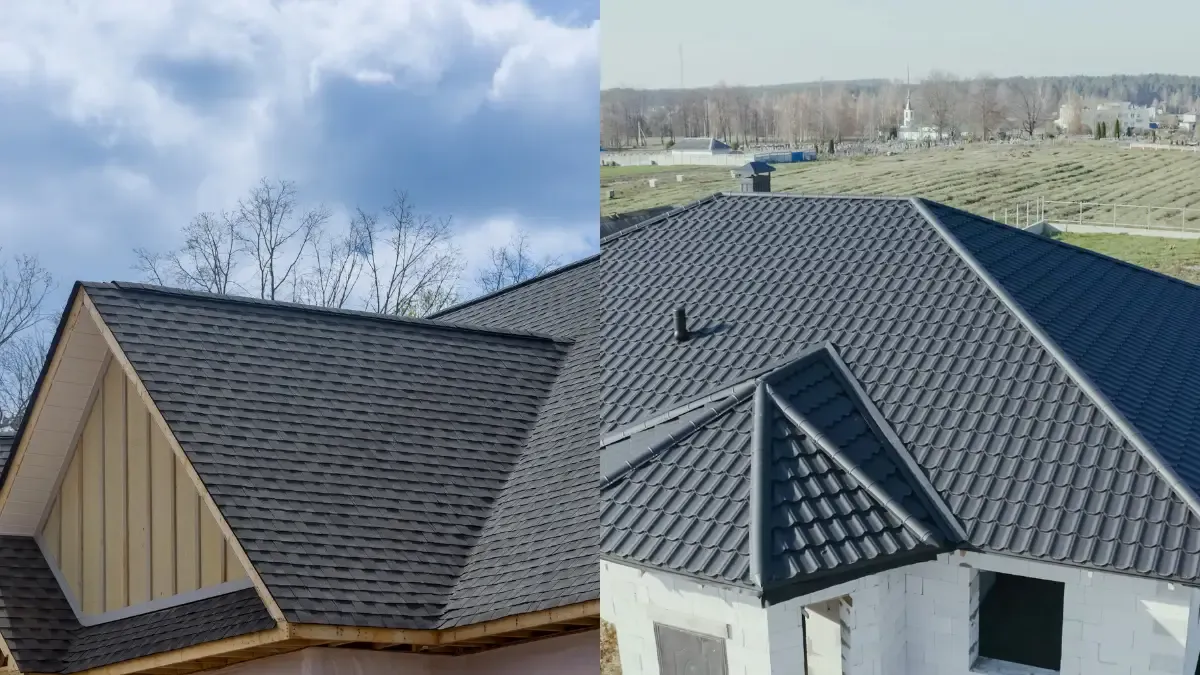
Choosing the right roofing material involves a systematic approach to assess key factors. Homeowners must consider budget constraints, durability, and aesthetic preferences. Each roofing type presents distinct advantages and disadvantages. Understanding these elements is essential for making an informed decision. As the analysis unfolds, the implications of each choice will become clearer, guiding homeowners toward the best solution for their specific needs.
Key Takeaways
- Assess your budget by comparing initial costs, long-term maintenance, and potential energy savings between asphalt and metal roofing.
- Research local climate impacts, as metal roofs perform better in severe weather compared to asphalt shingles.
- Explore aesthetic preferences by reviewing design options, colors, and textures available for both roofing materials.
- Calculate the lifespan of each material; metal roofs last 40-70 years, while asphalt shingles last 15-30 years, influencing overall costs.
- Consult with local regulations and neighborhood aesthetics to ensure compliance and harmony with surrounding properties before making a decision.
Understanding the Basics of Asphalt and Metal Roofing
When evaluating roofing materials, homeowners often find themselves at a crossroads between asphalt and metal options. Understanding the basics of these two materials is vital for making an informed decision. Asphalt shingles are widely recognized for their affordability and ease of installation, appealing to those seeking a quick solution. In contrast, metal roofing is lauded for its longevity and durability, often appealing to homeowners looking for a long-term investment. When considering how to choose between asphalt and metal roofing, factors such as climate, aesthetic preferences, and maintenance requirements should be evaluated. Each material presents distinct advantages and drawbacks, necessitating a careful analysis to guarantee alignment with the homeowner’s values and needs, ultimately fostering a sense of belonging within their community and environment.
Analyzing Cost Factors for Roofing Materials
While both asphalt and metal roofing materials offer unique benefits, cost remains a pivotal factor in the decision-making process. Asphalt roofing typically has a lower initial material cost, making it an attractive option for budget-conscious homeowners. However, the longevity and maintenance costs associated with asphalt can lead to higher overall expenditures over time. Conversely, metal roofing often requires a higher upfront investment but is renowned for its durability and lower maintenance needs. Homeowners should also consider factors such as installation costs, energy efficiency, and potential insurance discounts. Ultimately, understanding these cost factors is essential for determining how to choose between asphalt and metal roofing effectively, ensuring a solution that aligns with both financial and aesthetic goals.
Evaluating Durability and Longevity of Roof Types
How does the durability of roofing materials influence long-term investment decisions? When evaluating asphalt and metal roofing, durability is a critical factor. Asphalt shingles typically last 15 to 30 years, while metal roofs can endure for 40 to 70 years, depending on the material quality. The long-term resilience of metal provides a superior return on investment, particularly in areas prone to severe weather. Additionally, metal roofs are less susceptible to issues like rot, mold, and extreme temperature fluctuations, which can greatly reduce maintenance costs over time. Conversely, asphalt may require more frequent repairs and replacements, impacting overall cost efficiency. As a result, understanding the durability and longevity of roof types is essential for homeowners making informed decisions about which roofing material best suits their needs.
Assessing Aesthetic Appeal and Design Options
The decision-making process regarding roofing materials extends beyond durability and longevity to encompass aesthetic appeal and design options. Asphalt roofing offers a wide variety of colors and textures, enabling homeowners to achieve a desired visual impact that complements their architectural style. In contrast, metal roofing, available in numerous finishes and profiles, can evoke a modern or traditional aesthetic depending on the application. Both materials allow for customization, but metal roofing often provides a sleek, contemporary look that appeals to many. Additionally, local regulations and neighborhood aesthetics may influence the choice. Ultimately, understanding how to choose between asphalt and metal roofing requires careful consideration of these aesthetic factors to align with personal style and community standards.
Making the Final Decision: How to Choose Between Asphalt and Metal Roofing
Determining the most suitable roofing material can be a challenging task for homeowners. When deciding between asphalt and metal roofing, several factors must be carefully analyzed. First, one must consider the long-term financial implications, including installation costs and expected lifespan. Asphalt shingles are typically less expensive upfront but may require more frequent replacements. In contrast, metal roofing, while initially pricier, offers durability and energy efficiency that can offset costs over time. Additionally, local climate conditions will impact performance; metal roofs are better suited to extreme weather. Ultimately, personal preferences regarding aesthetics and maintenance requirements should also influence the choice. Homeowners must weigh these elements to make an informed decision on how to choose between asphalt and metal roofing.
Frequently Asked Questions
What Is the Environmental Impact of Asphalt vs. Metal Roofing?
The environmental impact of asphalt roofing includes higher emissions during production and disposal, while metal roofing is often recyclable, resulting in a lower overall carbon footprint. Each option presents distinct sustainability considerations for homeowners.
How Do Weather Conditions Affect Roofing Material Choice?
Weather conditions greatly influence roofing material choice. Asphalt performs well in moderate climates, while metal excels in extreme temperatures. Understanding local weather patterns helps homeowners select a durable and efficient roofing option tailored to their environment.
Are There Specific Building Codes for Asphalt or Metal Roofs?
Specific building codes for asphalt and metal roofs vary by locality, addressing factors like fire resistance, drainage, and installation techniques. Homeowners must consult local regulations to guarantee compliance and optimize safety and durability in roofing choices.
Can I Install Metal Roofing Over Existing Asphalt Shingles?
Yes, installing metal roofing over existing asphalt shingles is possible, provided the underlying structure can support the additional weight. Proper ventilation and layering techniques are essential to guarantee effectiveness and longevity in performance.
What Maintenance Is Required for Asphalt and Metal Roofs?
Asphalt roofs require periodic inspections, cleaning debris, and replacing damaged shingles. Metal roofs need less maintenance, primarily involving checks for rust, sealant wear, and ensuring fasteners remain secure, allowing for longevity and durability in various climates.
Conclusion
To summarize, the decision between asphalt and metal roofing hinges on a thorough evaluation of budgetary constraints, durability, aesthetic preferences, and local climate impacts. Each roofing option presents distinct advantages and disadvantages regarding cost, longevity, and energy efficiency. By systematically analyzing these factors and consulting with roofing professionals, homeowners can make an informed choice that aligns with their financial and functional needs, ultimately enhancing the value and performance of their property.
You May Also Like To Read: